

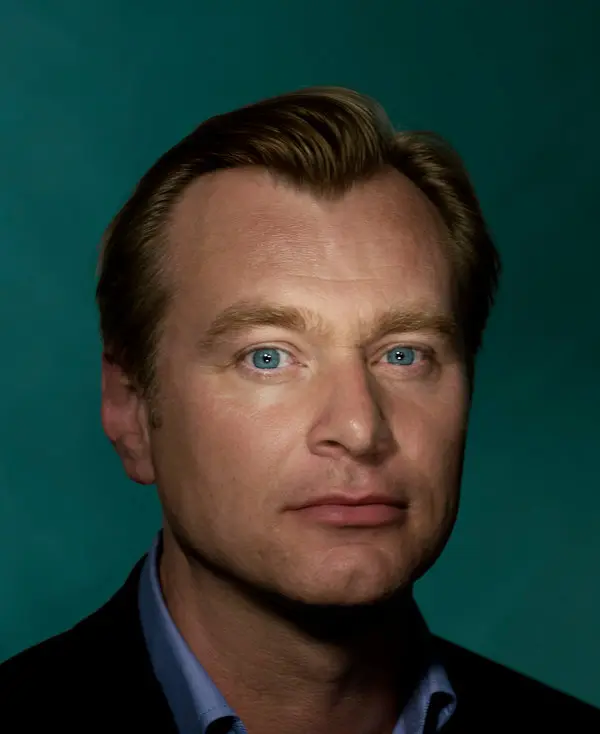
Christopher Nolan doesn’t make ordinary movies. He builds experiences. When you watch one of his films, you don’t just follow a story—you solve it. You question time, memory, identity, and reality itself. That intellectual depth is rare in mainstream cinema.
Christopher Nolan has become one of the most influential directors in modern filmmaking. His name alone carries weight. Audiences expect complexity. Studios expect box office success. Critics expect ambition.
But how did Christopher Nolan reach this level? And what truly sets him apart from other filmmakers?
Let’s explore seven powerful insights that define his career, style, and lasting influence.
Christopher Nolan: Early Life and Background
Before he became a global name, Christopher Nolan was simply a film enthusiast experimenting with storytelling.
He was born in London and developed an early fascination with cinema. As a child, he used his father’s Super 8 camera to create short films. That early exposure to visual storytelling shaped his creative instincts.
Unlike many directors who enter the industry through traditional Hollywood routes, Christopher Nolan took a more independent path. He studied English literature, not film. That background helped him craft layered narratives filled with symbolism and philosophical depth.
His breakout came with a low-budget independent film that proved one thing clearly: this director thought differently.
BIO: Christopher Nolan
| Field | Details |
|---|---|
| Full Name | Christopher Edward Nolan |
| Date of Birth | July 30, 1970 |
| Age | 55 (as of 2026) |
| Profession | Film Director, Producer, Screenwriter |
| Nationality | British-American |
| Net Worth (approx.) | $250–300 million |
| Notable Works | The Dark Knight Trilogy, Inception, Interstellar, Dunkirk, Oppenheimer |
1. Christopher Nolan Redefined Blockbuster Cinema
Most blockbuster films rely heavily on spectacle. Christopher Nolan does something different—he blends spectacle with intellect.
When he directed The Dark Knight, he transformed the superhero genre. Instead of creating a simple action film, he built a crime drama filled with moral tension, psychological conflict, and grounded realism.
That shift influenced the entire film industry. Superhero films became darker, more serious, and more character-driven.
Later films like Inception and Interstellar proved that large-scale commercial movies could also challenge audiences intellectually.
Few directors manage that balance between box office appeal and narrative depth.
2. Time Is His Signature Theme
If there’s one recurring element in Christopher Nolan’s work, it’s time.
He doesn’t treat time as a background concept. He turns it into a character.
Examples include:
-
Non-linear storytelling
-
Parallel timelines
-
Reverse chronology
-
Time dilation
-
Dream layers
-
Memory fragmentation
In Memento, the story unfolds backward.
In Inception, multiple timelines operate simultaneously.
In Dunkirk, three timelines intersect with precision.
In Interstellar, relativity reshapes human connection.
This obsession with time creates tension and demands audience engagement. You don’t passively watch a Christopher film—you actively piece it together.
3. Practical Effects Over CGI
In an era dominated by digital effects, Christopher Nolan consistently favors practical filmmaking.
He uses:
-
Real locations
-
IMAX cameras
-
Physical stunts
-
Built sets
-
Minimal green screen
For example, the rotating hallway scene in Inception was physically constructed. The plane crash in Tenet used a real aircraft. The explosion sequences in his films often rely on tangible effects.
This commitment to realism enhances immersion. The audience feels weight, gravity, and authenticity.
It also reinforces Nolan’s reputation as a director who respects cinematic craftsmanship.
4. Complex Characters Drive His Stories
Christopher Nolan is not only known for visual spectacle. His films explore identity, morality, sacrifice, and ambition.
Common themes include:
-
Obsession
-
Guilt
-
Isolation
-
Power
-
Ethical conflict
-
Human fragility
In The Prestige, rivalry consumes both protagonists.
In The Dark Knight, morality is tested under chaos.
In Oppenheimer, scientific achievement collides with ethical consequence.
These aren’t simple heroes and villains. They are flawed individuals facing impossible choices.
That emotional complexity adds longevity to his films.
5. Collaboration and Creative Control
Christopher Nolan frequently collaborates with:
-
Cinematographers
-
Composers
-
Editors
-
Production designers
His long partnership with composers has shaped his films’ emotional intensity. Music in a Nolan film is not background noise—it drives tension and atmosphere.
He also maintains strong creative control. Unlike many directors working within major studios, Christopher Nolan negotiates for artistic freedom.
That autonomy allows him to experiment with structure, pacing, and narrative form without compromise.
6. Financial Success Without Formula
What makes Christopher unique is that he achieves massive box office numbers without relying on formulaic storytelling.
Many studios fear complexity. Nolan embraces it.
Films like Inception and Interstellar were not based on existing franchises. They were original concepts. Yet they generated enormous global revenue.
This proves something important: audiences are willing to engage with challenging material if it’s presented with clarity and ambition.
Christopher Nolan trusts viewers to think.
7. Cultural and Industry Impact
The influence of Christopher Nolan extends beyond ticket sales.
He has:
-
Revitalized interest in large-format IMAX filmmaking
-
Advocated for theatrical cinema experiences
-
Pushed back against streaming-only releases
-
Promoted film preservation
His stance on preserving cinema culture has sparked industry-wide debate.
When Christopher Nolan speaks about filmmaking, studios listen. His authority stems from consistent performance, artistic credibility, and commercial success.
Few directors reach that level of influence.
Key Characteristics of Christopher Nolan’s Style
Here’s a quick breakdown of recurring traits:
-
Non-linear narrative structure
-
Philosophical themes
-
Minimal exposition
-
Intense musical scores
-
Practical effects
-
Large-scale realism
-
Moral ambiguity
-
Time manipulation
-
Intellectual storytelling
-
High-stakes tension
These elements form the foundation of the Christopher Nolan brand.
Why Christopher Nolan Stands Apart
Many directors specialize in either artistic cinema or commercial entertainment. Christopher Nolan bridges both worlds.
He delivers:
-
Critical acclaim
-
Audience engagement
-
Financial performance
-
Technical innovation
That balance is rare.
Moreover, his films reward repeat viewing. Each rewatch reveals subtle details—foreshadowing, symbolic imagery, layered dialogue.
This replay value strengthens his legacy.
The Future of Christopher Nolan
As technology evolves, Christopher Nolan continues adapting without losing his core philosophy.
He remains committed to:
-
Cinematic authenticity
-
Large-scale storytelling
-
Complex narrative design
-
Audience intelligence
Whether exploring historical drama or science fiction, his approach remains disciplined and deliberate.
There’s little evidence that he will shift toward simplified storytelling. If anything, his projects grow more ambitious.
Final Thoughts
Christopher Nolan has earned his reputation through discipline, originality, and fearless storytelling. He doesn’t chase trends. He builds cinematic architecture—carefully constructed, emotionally intense, intellectually demanding.
The seven insights we explored highlight why Christopher Nolan remains one of the most respected directors in the world:
-
He redefined blockbuster cinema.
-
He transformed time into a narrative tool.
-
He champions practical filmmaking.
-
He builds morally complex characters.
-
He maintains creative control.
-
He proves originality can succeed commercially.
-
He shapes the future of cinema culture.
Christopher Nolan is not just a director. He is a filmmaker who challenges audiences to think deeper and feel stronger.