
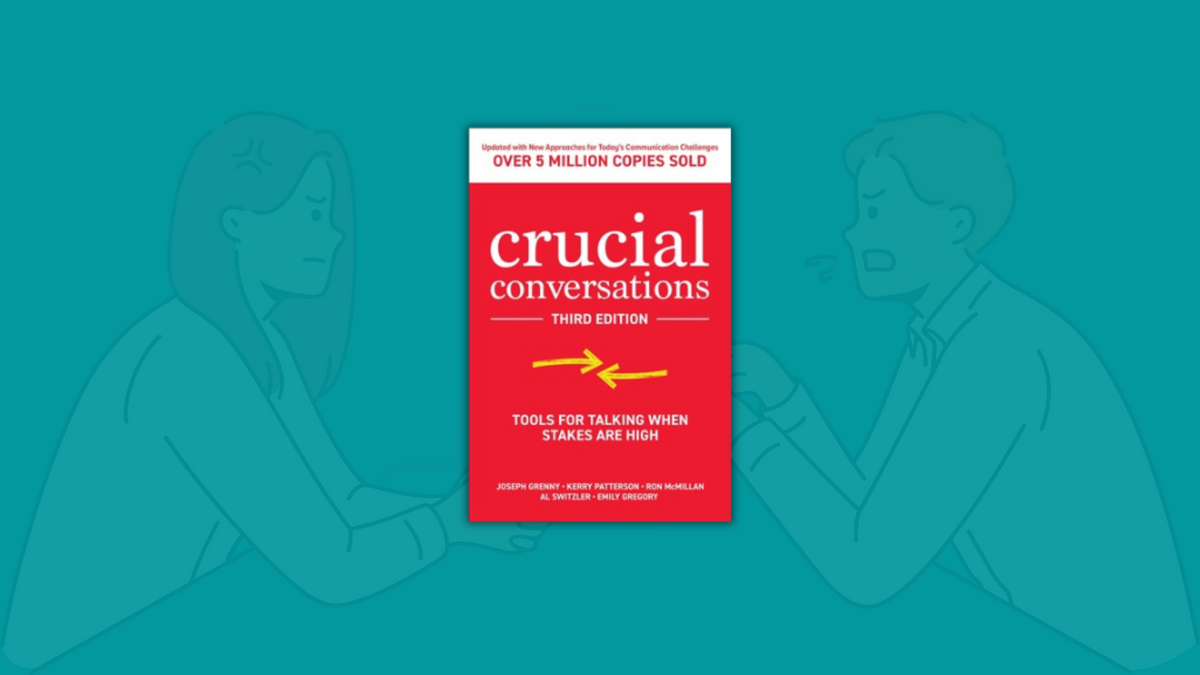
Introduction: Why the Crucial Conversations Book Still Matters
Some books age fast. Others stay relevant because human behavior doesn’t change much. The Crucial Conversations book clearly belongs to the second category. No matter how advanced technology becomes, people still struggle with the same core issue: how to talk when emotions are high and the stakes are real.
Think about it. Salary negotiations, workplace conflicts, relationship arguments, family expectations, leadership decisions—these are all moments where one conversation can change everything. And yet, most people were never taught how to handle them well.
That’s where the Crucial Conversations book quietly earns its reputation. It doesn’t promise magic words or quick tricks. Instead, it teaches a repeatable way of thinking, speaking, and listening that works in real life. This article breaks down what the book is about, why it’s trusted worldwide, and how it can genuinely improve the way you communicate.
What Is the Crucial Conversations Book About?
At its core, the Crucial Conversations book focuses on conversations where:
-
Opinions differ
-
Emotions run strong
-
Outcomes truly matter
These moments are unavoidable. Avoiding them usually leads to resentment, poor decisions, or broken relationships. Handling them badly creates conflict, silence, or aggression.
The book offers a structured framework to:
-
Stay calm under pressure
-
Speak honestly without offending
-
Encourage dialogue instead of debate
-
Create mutual understanding
What makes the book stand out is its balance between psychology, communication theory, and practical application.
Who Wrote the Crucial Conversations Book?
The Crucial Conversations book was written by Kerry Patterson, Joseph Grenny, Ron McMillan, and Al Switzler—experts in leadership training, organizational behavior, and communication.
Their combined experience spans:
-
Corporate leadership
-
Conflict resolution
-
Behavioral science
-
Performance coaching
That depth of experience gives the book strong credibility and aligns well with E-E-A-T principles. Readers trust it because it’s built on research, real-world testing, and decades of observation.
Why the Crucial Conversations Book Is So Popular
The popularity of the Crucial Conversations book didn’t come from hype. It grew through results.
People recommend it because:
-
It applies to work and personal life
-
The advice is practical, not abstract
-
Examples feel realistic and relatable
-
Concepts are easy to remember
Managers use it to improve leadership. Couples use it to resolve conflict. Employees use it to speak up confidently. That versatility explains why the book keeps selling year after year.
Key Concepts Explained Simply
1. What Makes a Conversation “Crucial”
A conversation becomes crucial when:
-
Stakes are high
-
Emotions are strong
-
Opinions differ
Ignoring these conversations rarely works. The book argues that your success—in career and relationships—is shaped by how you handle these moments.
2. Start With Heart
One of the most repeated ideas in the Crucial Conversations book is starting with heart. That means being clear about:
-
What you really want
-
What you don’t want
-
Why the conversation matters
This helps prevent hidden agendas and passive-aggressive behavior.
3. Make It Safe
People shut down or become defensive when they feel unsafe. The book teaches how to create psychological safety by:
-
Showing respect
-
Clarifying intent
-
Avoiding blame
Safety isn’t about agreeing—it’s about allowing open dialogue.
4. Master Your Stories
The Crucial Conversations book explains how people create internal stories based on assumptions. These stories drive emotions and reactions.
By questioning your assumptions, you:
-
Reduce anger
-
Improve understanding
-
Respond thoughtfully instead of emotionally
This concept alone has helped many readers rethink conflict.
5. State Your Path
Speaking honestly doesn’t mean being harsh. The book offers a clear structure:
-
Share facts
-
Tell your story
-
Ask for others’ views
-
Encourage dialogue
This keeps conversations balanced and respectful.
Real-Life Applications of the Crucial Conversations Book
The real strength of the Crucial Conversations book is how easily it applies to everyday situations.
At Work
-
Addressing poor performance
-
Negotiating salary or promotion
-
Giving difficult feedback
-
Managing team conflict
In Relationships
-
Discussing unmet expectations
-
Resolving recurring arguments
-
Handling trust issues
-
Setting boundaries
In Leadership
-
Driving accountability
-
Handling resistance to change
-
Building trust
-
Improving team communication
Few books offer this level of flexibility without losing clarity.
What Makes This Book Different From Other Communication Books
Many communication books focus on theory. The Crucial Conversations book focuses on behavior.
Key differences include:
-
Step-by-step frameworks
-
Research-backed insights
-
Real-world examples
-
Clear language
It doesn’t assume perfect conditions. It assumes messy, emotional, human conversations—and prepares you for them.
Strengths of the Crucial Conversations Book
Some standout strengths include:
-
Clear structure and flow
-
Memorable terminology
-
Actionable tools
-
Strong emphasis on accountability
The book doesn’t just tell you what to do—it explains why it works.
Common Criticisms (and Fair Perspective)
No book is perfect. Some readers feel:
-
Certain examples are workplace-heavy
-
Concepts may feel repetitive
-
It requires practice, not instant results
However, these critiques often highlight a deeper truth: the skills taught require effort. Communication is a skill, not a shortcut.
Who Should Read the Crucial Conversations Book?
The book is especially valuable for:
-
Managers and team leaders
-
Professionals in high-stakes roles
-
Couples and families
-
Anyone who avoids conflict or explodes during it
If conversations stress you out—or you regret what you said later—this book is for you.
Why the Crucial Conversations Book Improves Long-Term Success
Research consistently shows that strong communicators:
-
Earn more
-
Lead better
-
Build stronger relationships
-
Experience less stress
The Crucial Conversations book directly targets these outcomes by improving how people speak and listen when it matters most.
How to Get the Most Value From the Book
To truly benefit:
-
Read slowly, not in one rush
-
Practice one concept at a time
-
Reflect on real situations
-
Revisit key chapters
The book rewards application more than passive reading.
Frequently Asked Questions
Is the Crucial Conversations book hard to read?
No. The language is clear, practical, and conversational.
Is it only for business professionals?
Not at all. Many readers use it in personal relationships.
Does it help with emotional control?
Yes. Emotional awareness is a core theme throughout the book.
Conclusion: Is the Crucial Conversations Book Worth Reading?
Absolutely—especially if you care about improving how you handle pressure-filled conversations.
The Crucial Conversations book doesn’t change who you are. It changes how you show up when it matters most. By learning how to stay calm, speak honestly, and listen effectively, you gain a skill that pays dividends for life.
If you’ve read the book or plan to, share your experience or thoughts. The best conversations often begin with reflection—and this book gives you the tools to start them the right way.